

Khamenei is Dead: Now What?
Why the transition might not be as easy as many people like to think

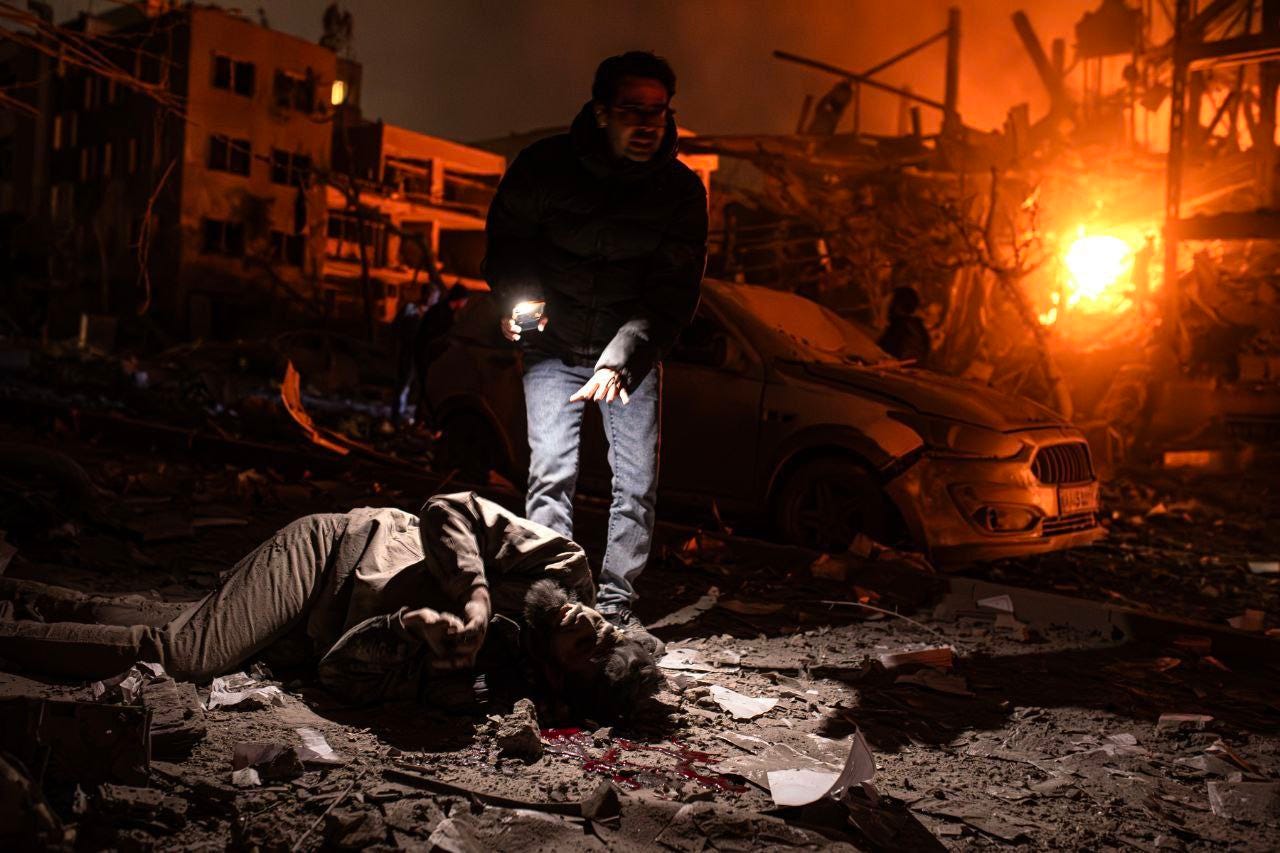
Yesterday, Supreme Leader Khamenei was killed in a decapitation strike. For many, he has symbolized the evils and brutality of the Islamic Republic and the puzzle piece holding the entire regime together. Now that he is gone, what happens?
Well, contrary to popular belief, after Khamenei was killed in the initial strikes from the US and Israel, the Iranian regime did not fall apart. What we witnessed was quite the opposite: a swift response from the Iranian government targeting multiple nearby countries, including Qatar, Bahrain, the UAE, and Israel. In fact, the response has seemed largely unaffected by the killing of Khamenei. For anyone paying attention, it was evident that the death of an 86-year-old man on his deathbed already was not going to change much. While the Iranian diaspora takes to the streets to celebrate, many have not considered the bone-chilling future that awaits the people of Iran. In this article, I want to explore some of the scenarios most likely to unfold, and none of them look good.
IRGC Remains in Control
The first scenario we are likely to see is the IRGC (Iranian Revolutionary Guard Corps) largely remaining in control inside Iran until a new supreme leader is elected. The most likely outcome is an intensified crackdown on domestic dissent, harder than ever before, which would inevitably lead to thousands more deaths. This would coincide with the aggressive stance Iran has taken in its foreign actions during this war.
This is an existential threat for the IRGC. Now that Israel has killed many of the older, relatively more conservative leaders, all that remains are the hardline young repressive forces among its ranks. As the American Enterprise Institute’s Michael Rubin notes, Khamenei’s death creates a constitutional succession that may stall, and the IRGC could seize control entirely. Reports indicate that Khamenei’s son and de facto office director Mojtaba is also dead, along with the minister of defense and the IRGC commander.
If the US and Israel were to stop bombing tomorrow, the most likely scenario would be a brutal regime more repressive than the last taking hold. This scenario is also more likely to occur if the US pushes for peace deals again and Iran plays along, and as it seems now that this war has started to cost American lives, the US is increasingly interested in a deal. In either case, the end result will not be a pleasant one for those living in Iran under the regime.
Iranian Government Collapses
In an alternative scenario, if the bombing continues and the military and security forces in Iran are toppled, what follows could be chaos. Iran, comprising many different ethnicities, races, and sects, would inevitably fracture into civil war. From Kurds to Azeris to Persians, the result would be a broken Iran, fractured into pieces. This would also give Iran’s enemies an opportunity to strike while the iron is hot.
This would include ISIS forces, who have fought against Iran for many years, and many other smaller groups in Iraq and neighboring countries. Such a scenario would mean many years of potential terror attacks on innocent Iranians as they try to reclaim a semblance of government and peace for themselves.
Of course, Israel and the US would not mind this scenario—it would be the easiest for them to achieve militarily without ground troops and casualties on their own side. This would eliminate Iran as a threat, as they see it, and allow Israel to continue its ambitions with impunity and no worry of retaliation, as its opposition would be fully taken out.
Many Iranians, including the diaspora population, don’t believe this is what will happen and think that the third scenario is more likely.
The Shah Returns
Many Iranian people think that with the US and Israeli attacks, what will happen is the return of a secular Iran with the Shah or someone similar in charge. While this is a great fantasy, I will explain why this is the least likely scenario of them all.
A fundamental regime change requires much more than aerial bombs and decapitation strikes. It requires ground troops to manage unrest. It requires precision planning to infiltrate existing military infrastructure. Without that, the only hope would be for the military to defect. And without that, the only hope would be for thousands to pour into the streets and die in the hopes of regime change.
Evidently, it seems that is what America is counting on, as we have seen multiple reports over the past few days of people like Trump, Lindsey Graham, and Pahlavi urging people to take to the streets. Of course, this has not happened much, as people there are still recovering from the brutality and thousands of deaths of Iranians just weeks ago when they went to protest.
Trump seems wary of sending troops on the ground because it would go horrible for him politically, and Israel will not be willing to sacrifice lives when the scenario of an Iranian civil war would be better for them.
As military analysts told Al Jazeera, “You cannot facilitate regime change through air strikes alone. If anyone is left alive to speak, the state’s deep security apparatus can survive simply by maintaining cohesion.” The best-case scenario that many Iranians and the diaspora hope for is the least likely and most far from reach.
What Now?
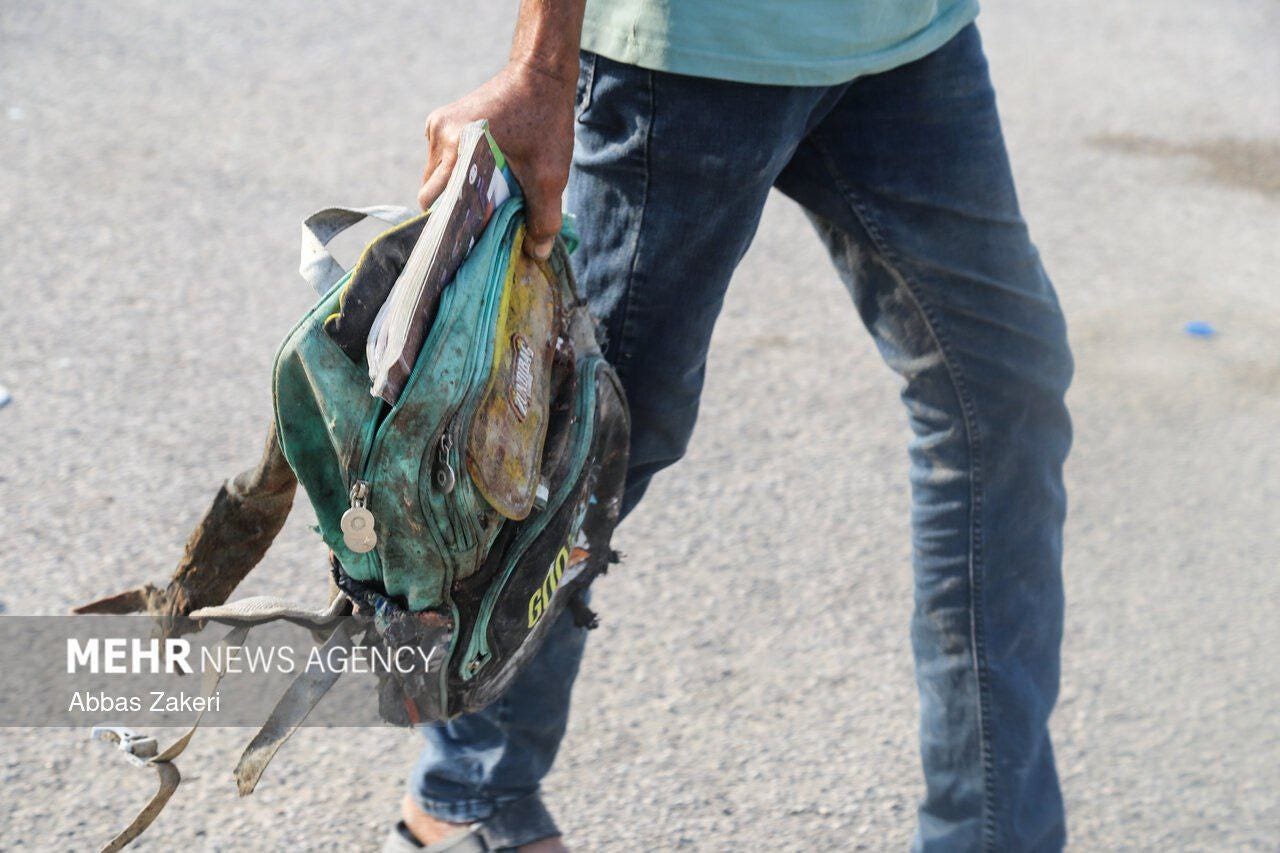
As we soon enter the third day of this war, much of what is to come remains uncertain. The fog of war is strong, and few know the actual happenings on the ground. However, what is certain is that the consequences of this war are rapidly spreading beyond control. Many Iranian schoolchildren are dead, American military personnel have died, many Middle Eastern countries have been attacked, and the escalation increases as Lebanon and Hezbollah enter the fray.
Many Iranians abroad, and even some inside Iran, celebrate the death of Khamenei and dance with joy for what is to come. I only hope that joy is not replaced with dread as they realize of what is yet to come.